
FreeMe
Design of the application FreeMe, that helps caregivers manage their leisure time through relaxing activities, physical activities, and video courses.
FreeMe
Design of the application FreeMe, that helps caregivers manage their leisure time through relaxing activities, physical activities, and video courses.
FreeMe
Design of the application FreeMe, that helps caregivers manage their leisure time through relaxing activities, physical activities, and video courses.
FreeMe
Design of the application FreeMe, that helps caregivers manage their leisure time through relaxing activities, physical activities, and video courses.
MY ROLE
UX/UI designer
TOOLS




PROJECT TYPE
University project | Interaction Design Lab
YEAR
2025
MY ROLE
UX/UI designer
TOOLS
PROJECT TYPE
University project | Interaction Design Lab
YEAR
2025
MY ROLE
UX/UI designer
TOOLS
PROJECT TYPE
University project | Interaction Design Lab
YEAR
2025
MY ROLE
UX/UI designer
TOOLS
PROJECT TYPE
University project | Interaction Design Lab
YEAR
2025
Brief
Italian society (like many Westerners) is aging. Therefore, the brief is creating an application that targets either people over 65 or informal caregivers.
Solution
Our app, FreeMe, has the ambitious goal of helping caregivers manage their leisure time.
FreeMe offers a range of activities to do in one’s leisure time, mainly divided in: video courses, relaxation, and physical activity.
Brief
Italian society (like many Westerners) is aging. Therefore, the brief is creating an application that targets either people over 65 or informal caregivers.
Solution
Our app, FreeMe, has the ambitious goal of helping caregivers manage their leisure time.
FreeMe offers a range of activities to do in one’s leisure time, mainly divided in: video courses, relaxation, and physical activity.
An AI disclaimer, before anything else
Personally, I believe that AI tools are very powerful and useful to integrate into UX/UI design processes.
But this on the unquestionable condition that they do not replace us: my friend Andrea and I tried to use them in such a way that they integrated the work we did at first.
If there is one thing that I have learned from the AI courses I have followed in Italy and studying abroad in Belgium, it is that they can have great accuracy problems.
#
1
|
Needfinding
Caregivers don't have enough free time and there is no app that offers a solution
An analysis of the scientific literature showed that there are no apps dedicated to caregivers' leisure time in our research context, despite its importance for their psychological health.
Semi-structured interviews and grounded theory highlighted the importance of free time for caregivers' health.
AI tools
Articles’ summary, inspiration for the functions of an app that deals with leisure time, competitors research
Transcription of interviews audio
#
1
|
Needfinding
Caregivers don't have enough free time and there is no app that offers a solution
An analysis of the scientific literature showed that there are no apps dedicated to caregivers' leisure time in our research context, despite its importance for their psychological health.
Semi-structured interviews and grounded theory highlighted the importance of free time for caregivers' health.
AI tools
Articles’ summary, inspiration for the functions of an app that deals with leisure time, competitors research
Transcription of interviews audio
#
1
|
Needfinding
Caregivers don't have enough free time and there is no app that offers a solution
An analysis of the scientific literature showed that there are no apps dedicated to caregivers' leisure time in our research context, despite its importance for their psychological health.
Semi-structured interviews and grounded theory highlighted the importance of free time for caregivers' health.
AI tools
Articles’ summary, inspiration for the functions of an app that deals with leisure time, competitors research
Transcription of interviews audio
#
2
|
Designing alternatives
We tried to fill the gap with a user-centered approach
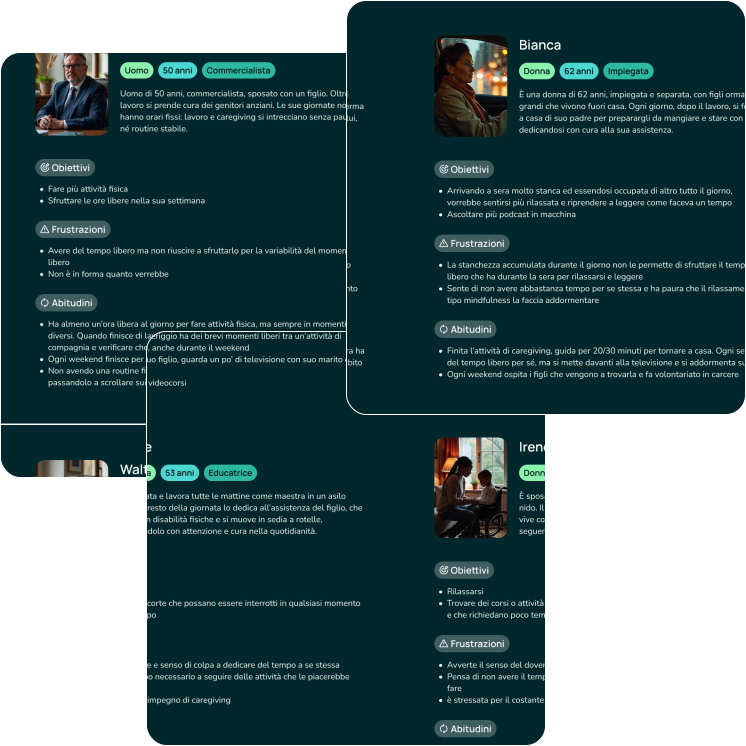
To better understand the end users of the application and empathize with them, user personas were created, based on previous research.
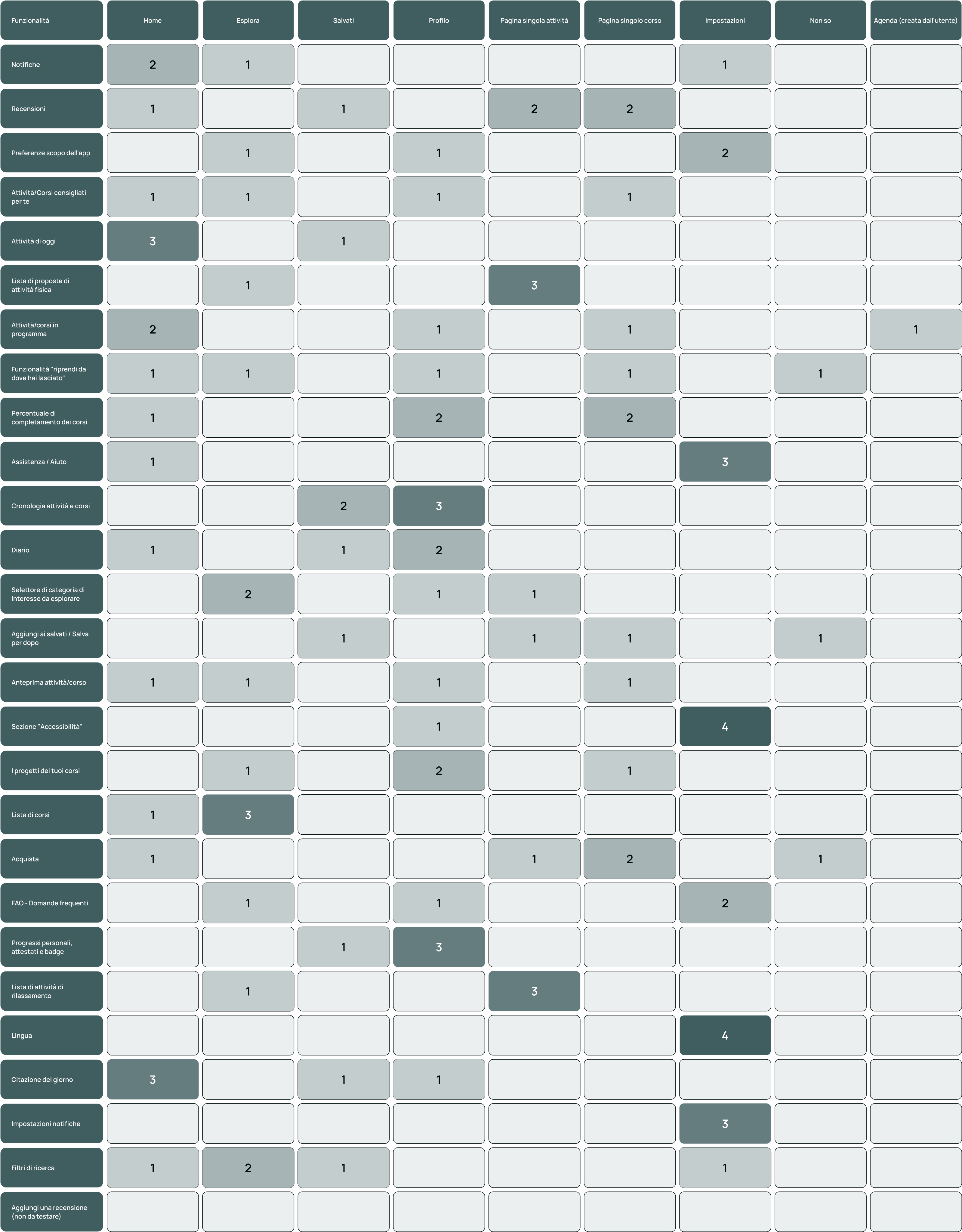
The app's features were designed based on research, competitor analysis, and individual brainstorming. The information architecture was created after a hybrid card sorting session conducted with some users, summarized in the heat map shaped table below.
#
2
|
Designing alternatives
We tried to fill the gap with a user-centered approach
To better understand the end users of the application and empathize with them, user personas were created, based on previous research.
The app's features were designed based on research, competitor analysis, and individual brainstorming. The information architecture was created after a hybrid card sorting session conducted with some users, summarized in the heat map shaped table below.
#
3
|
Designing alternatives
The app is designed to simplify free time management (and users will tell us that they appreciate it)
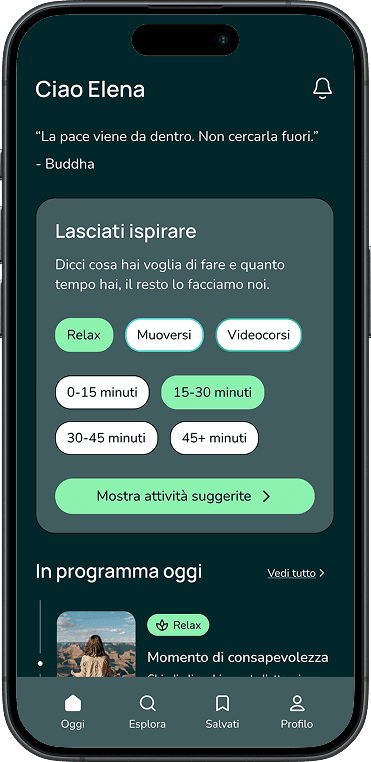
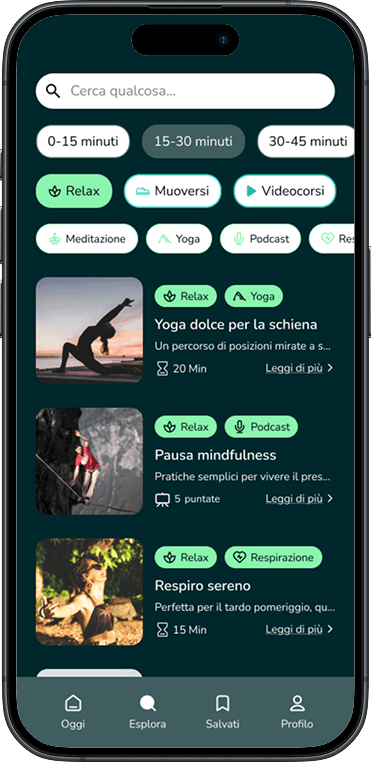
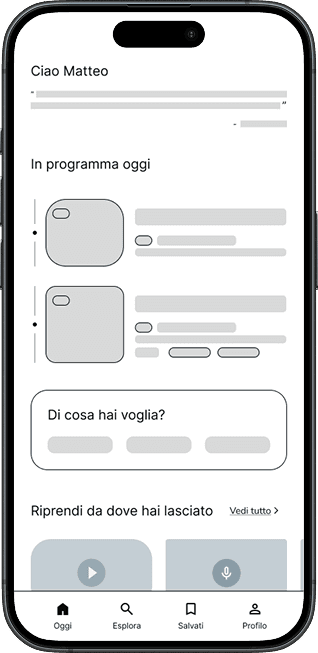
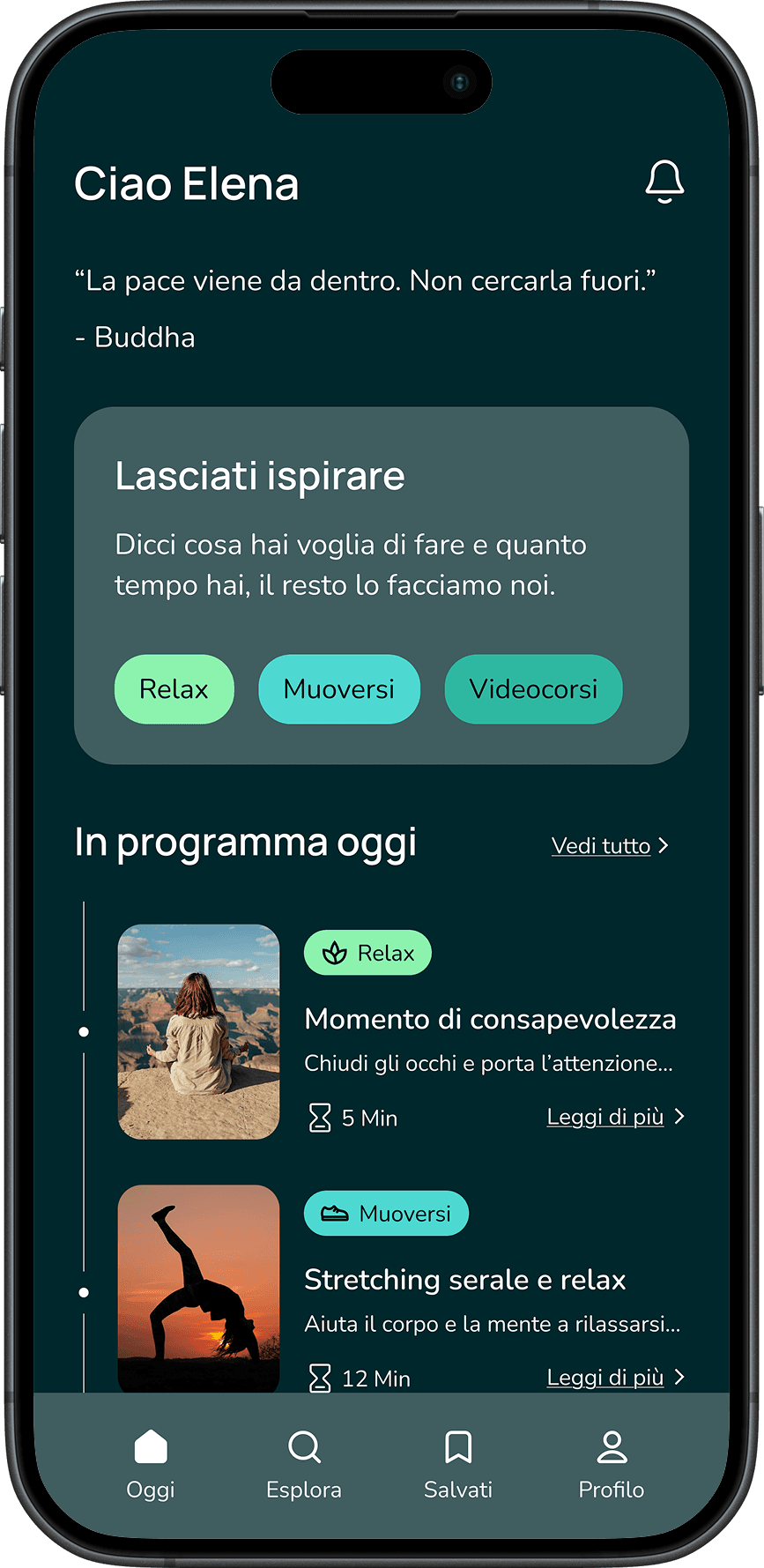
One of the most important functions of the application (Be inspired) is shown at the beginning of the Home. To make the choice easier, it asks users what they want and how much time they have available.
A caregiver confirmed the utility of this feature during a think-aloud session in the next design cycle:
#
3
|
Designing alternatives
The app is designed to simplify free time management (and users will tell us that they appreciate it)
One of the most important functions of the application (Be inspired) is shown at the beginning of the Home. To make the choice easier, it asks users what they want and how much time they have available.
A caregiver confirmed the utility of this feature during a think-aloud session in the next design cycle:

Since everyday I have to make decisions and do things for me and others, I like having someone that gives me an idea and that doesn’t make me think about what to do [this is a translation, the participant was italian].
#
4
|
Designing alternatives
A strong app needs a strong brand
Before diving into the prototyping phase, a brand identity was created to keep the designing phase consistent.
#
4
|
Designing alternatives
A strong app needs a strong brand
Before diving into the prototyping phase, a brand identity was created to keep the designing phase consistent.
Target
Informal caregivers who struggle managing their leisure time
Mission
Give caregivers the tools to have and live quality free time
Vision
A world in which anyone can enjoy their psychophysical well-being
Values
Reassurance, Protection, Empathy
Emotions
Calm, Relaxation, Peace of mind, Happiness
Tone of Voice
Casual, Serious, Respectful, Matter-of-fact
Visual
Rounded shapes and rounded corners, desaturated and relaxing colours
FreeMe: the use of Sound-symbolism
The name, which recalls the concept of free time, was created following the theory of sound-symbolism (Klink, 2000) and brand’s identity. The name contains the phone [i], which according to this theory should make the name seem milder, friendlier and lighter, in line with the brand identity of the application.
#
5
|
Designing alternatives
Users are expected to be more engaged with the help of rewards and projects
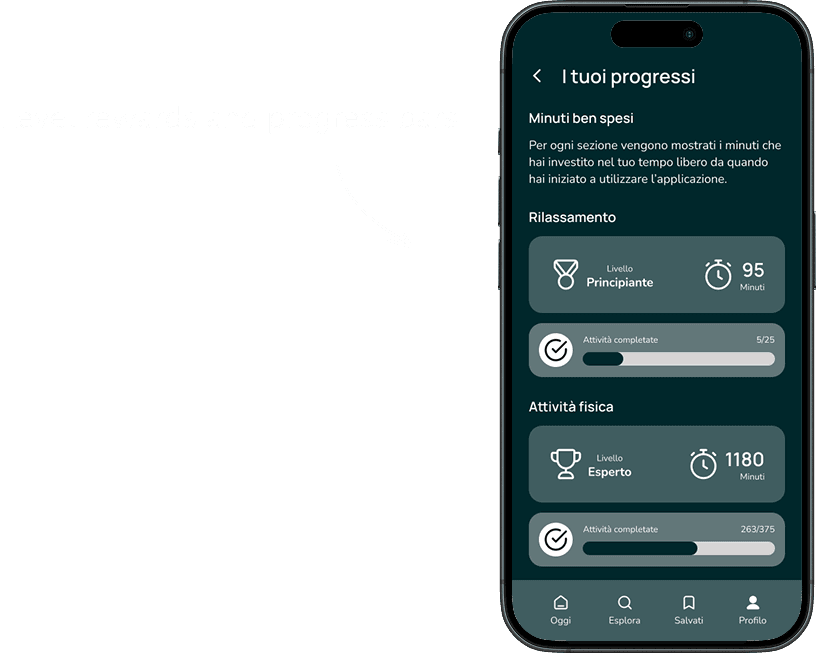
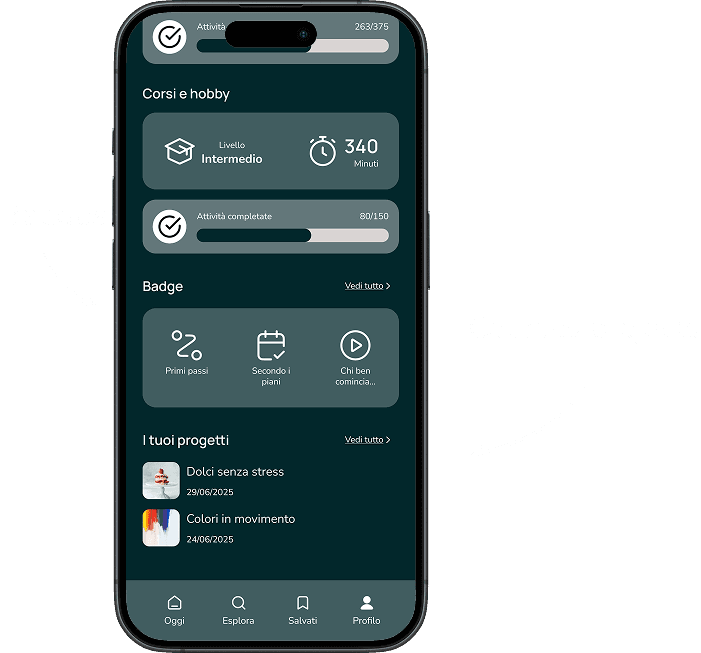
Some gamification elements were also included in the app's design, such as level rewards, badge rewards and progress bars.
Moreover, Yu-kai Choud’s Octalysis Framework was used to add two elements: enhancement of creativity and feedback, through personal course projects, and development and self-realization, through badges.
#
5
|
Designing alternatives
Users are expected to be more engaged with the help of rewards and projects
Some gamification elements were also included in the app's design, such as level rewards, badge rewards and progress bars.
Moreover, Yu-kai Choud’s Octalysis Framework was used to add two elements: enhancement of creativity and feedback, through personal course projects, and development and self-realization, through badges.
#
5
|
Designing alternatives
Users are expected to be more engaged with the help of rewards and projects
Some gamification elements were also included in the app's design, such as level rewards, badge rewards and progress bars.
Moreover, Yu-kai Choud’s Octalysis Framework was used to add two elements: enhancement of creativity and feedback, through personal course projects, and development and self-realization, through badges.
#
6
|
Prototyping
A design system boosted our productivity
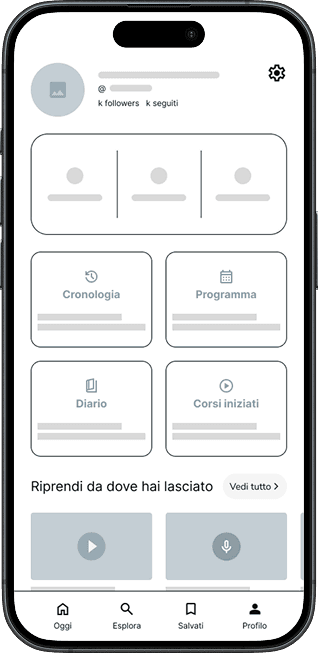
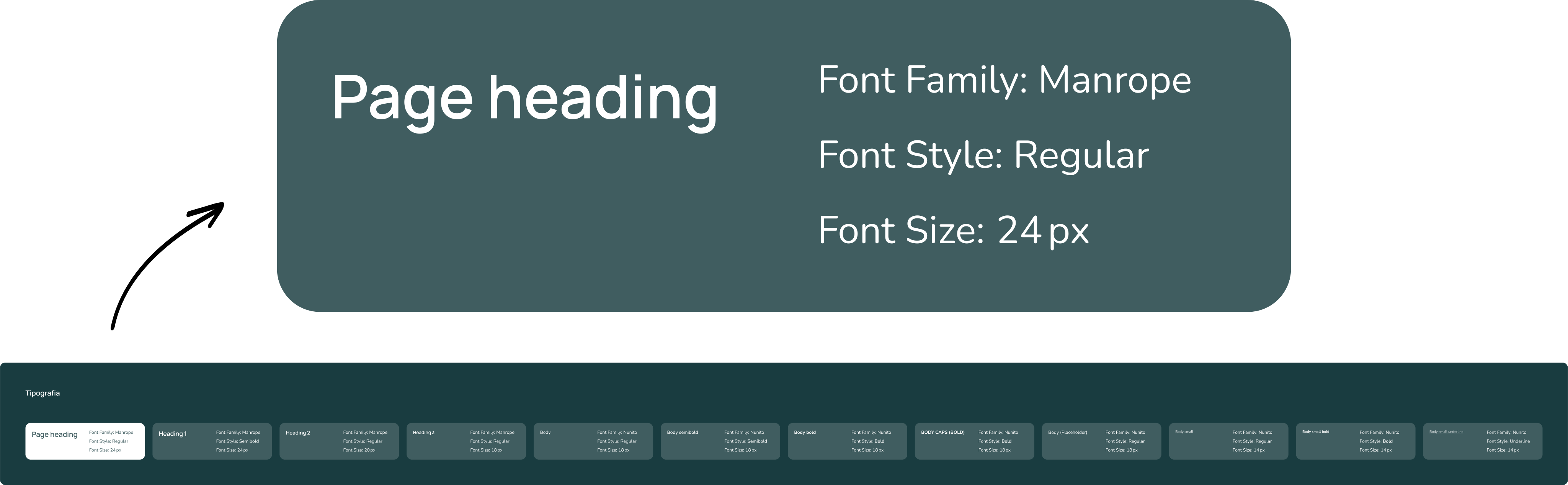
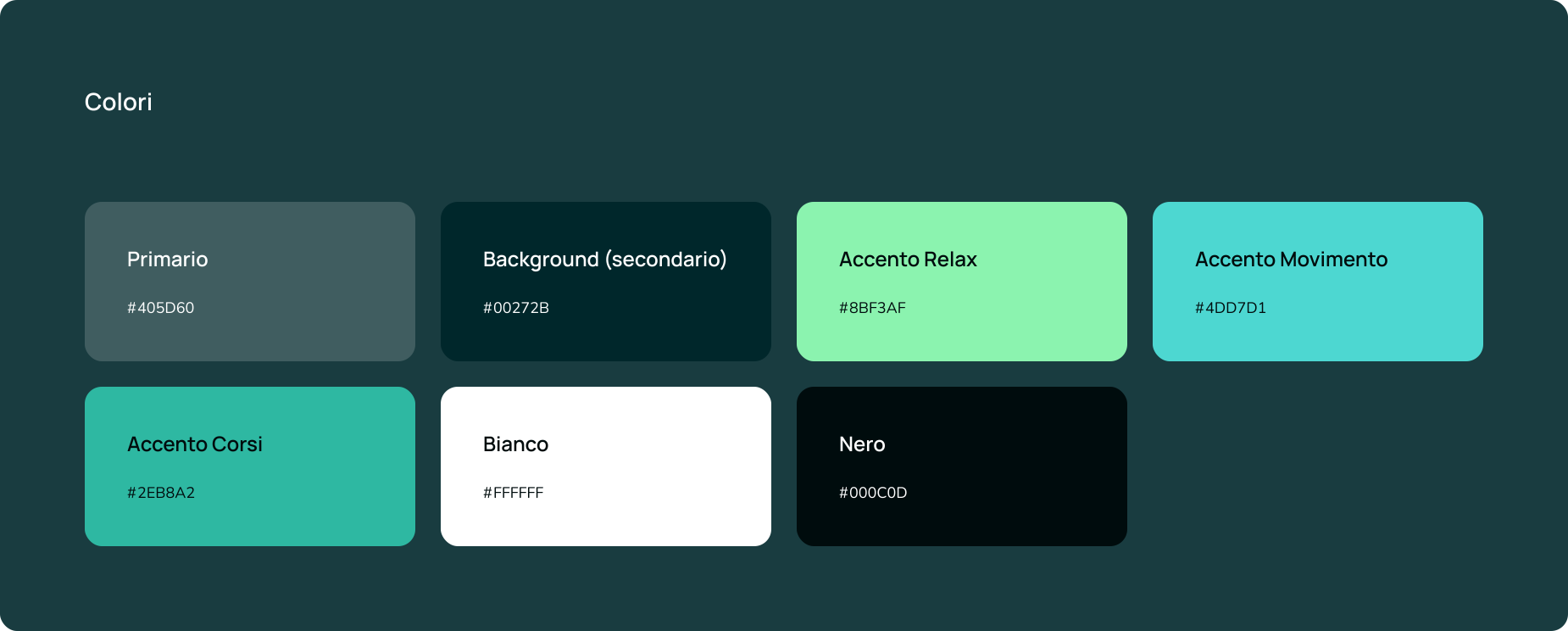
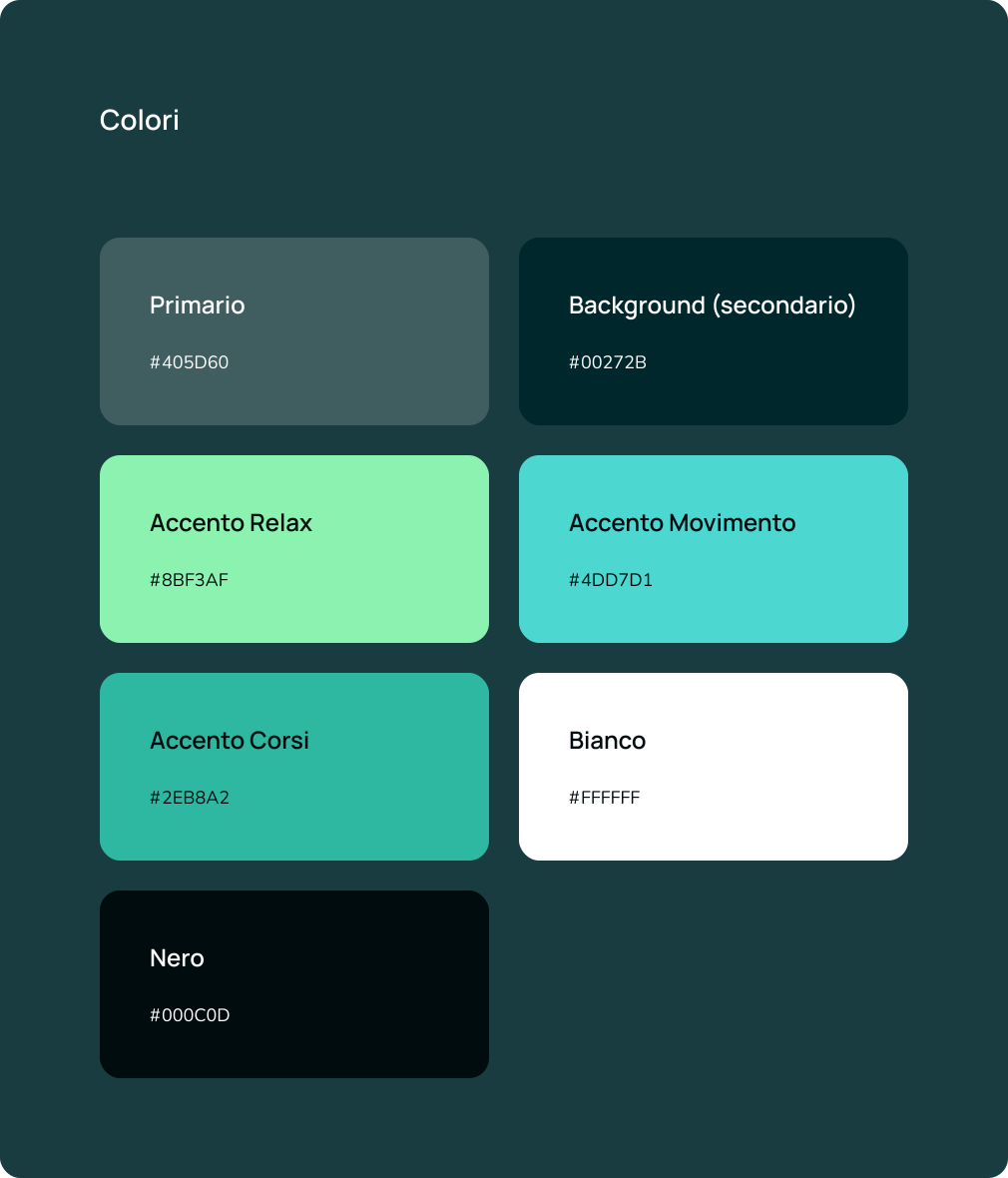
Mockups were created from wireframes and sketches. This phase was preceded by the creation of a design system, whose visual elements were supposed to arouse in the user the emotions of calm and relaxation.
#
6
|
Prototyping
A design system boosted our productivity
Mockups were created from wireframes and sketches. This phase was preceded by the creation of a design system, whose visual elements were supposed to arouse in the user the emotions of calm and relaxation.
#
6
|
Prototyping
A design system boosted our productivity
Mockups were created from wireframes and sketches. This phase was preceded by the creation of a design system, whose visual elements were supposed to arouse in the user the emotions of calm and relaxation.
#
7
|
Prototyping
Creating the prototype
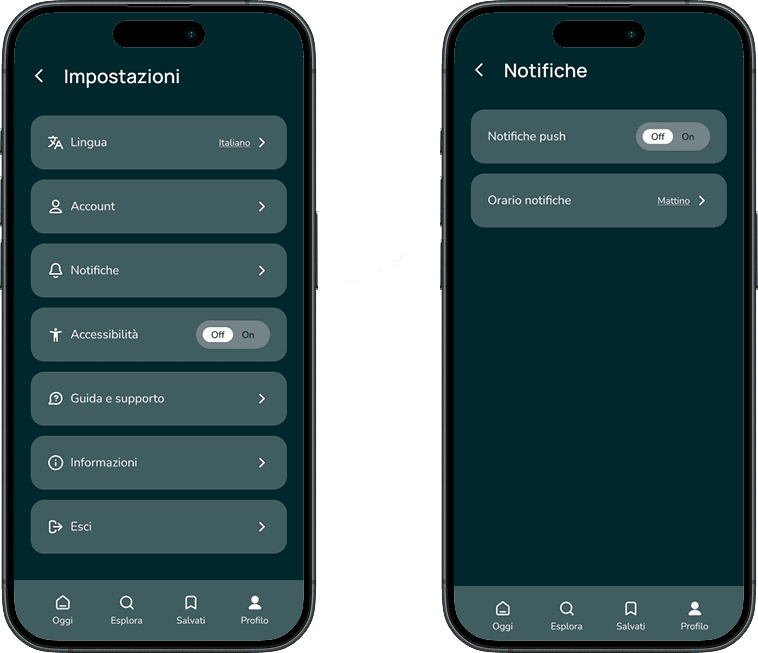
In this phase, mockups were connected to each other to create the prototype. The main pages were created, as well as the instances of the activities and courses components.
AI tools
Copywriting: text ideation for activities and courses pages
#
7
|
Prototyping
Creating the prototype
In this phase, mockups were connected to each other to create the prototype. The main pages were created, as well as the instances of the activities and courses components.
AI tools
Copywriting: text ideation for activities and courses pages
#
7
|
Prototyping
Creating the prototype
In this phase, mockups were connected to each other to create the prototype. The main pages were created, as well as the instances of the activities and courses components.
AI tools
Copywriting: text ideation for activities and courses pages
#
8
|
Evaluation
Users find the application pretty intuitive (66% Task Success Rate)
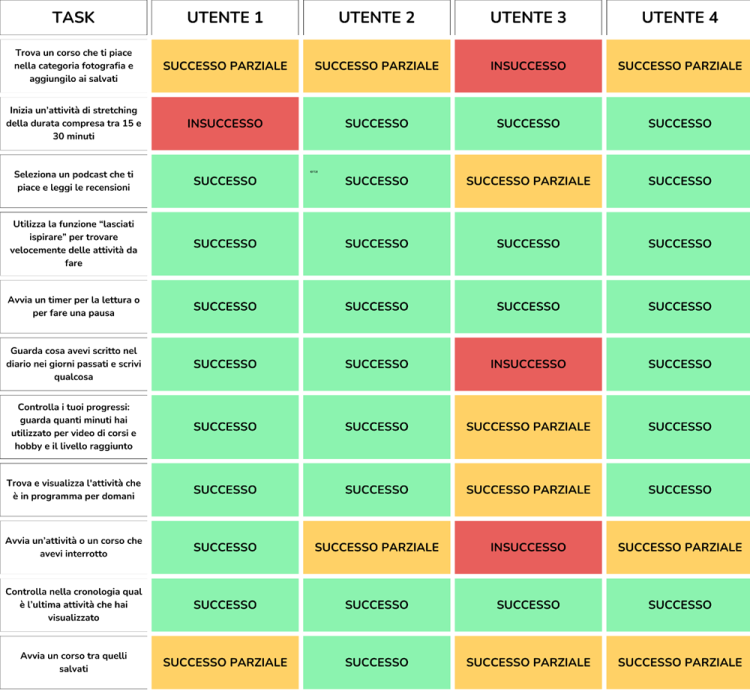
The evaluation of the prototype was conducted through a think-aloud session with target users, who had to carry out 11 tasks.
The task success rate is 66%. 25% of the tasks were completed with partial success and 9% were failures.
User struggled with an icon without a verbal label and the presence of two similar pages.
#
8
|
Evaluation
Users find the application pretty intuitive (66% Task Success Rate)
The evaluation of the prototype was conducted through a think-aloud session with target users, who had to carry out 11 tasks.
The task success rate is 66%. 25% of the tasks were completed with partial success and 9% were failures.
User struggled with an icon without a verbal label and the presence of two similar pages.
#
9
|
Prototyping
The prototype was modified based on user tests
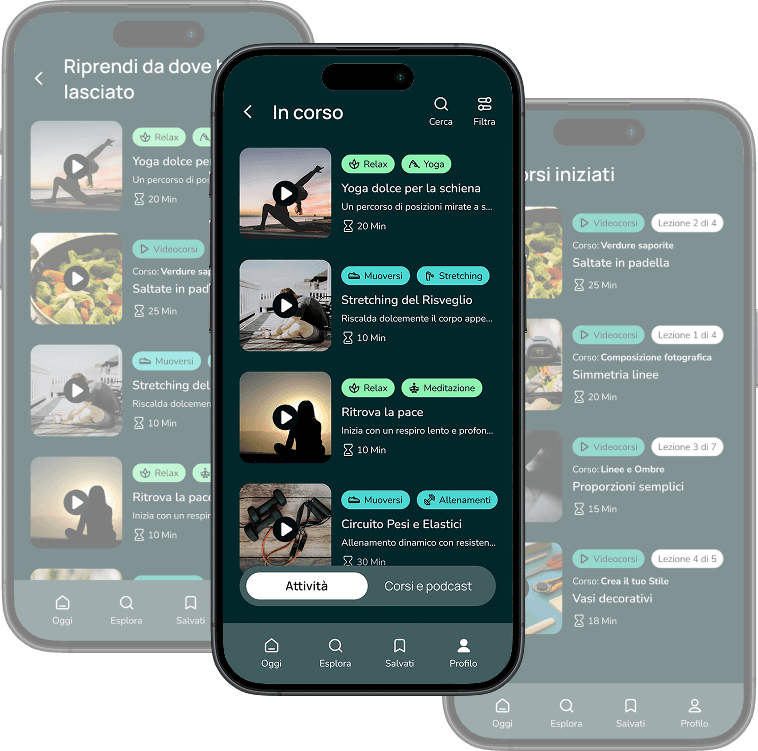
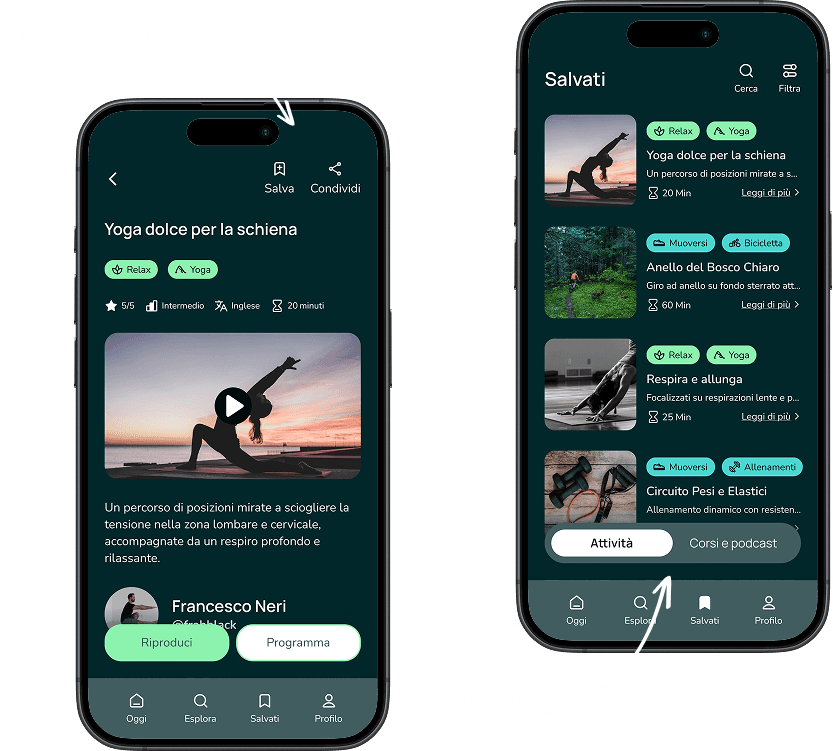
The two pages were merged into a new page, called "In corso" (In progress) and verbal labels were added to those icons.
Finally, in the “Saved” and “In progress” pages the toggle was repositioned with the two tabs "Activities" and "Videocourses" in a more visible position, as some users hadn’t seen it.
#
9
|
Prototyping
The prototype was modified based on user tests
The two pages were merged into a new page, called "In corso" (In progress) and verbal labels were added to those icons.
Finally, in the “Saved” and “In progress” pages the toggle was repositioned with the two tabs "Activities" and "Videocourses" in a more visible position, as some users hadn’t seen it.
Try the prototype
Enough talking, now it's up to your exploration!
Try the prototype
Enough talking, now it's up to your exploration!
Try the prototype
Enough talking, now it's up to your exploration!
Try the prototype
Enough talking, now it's up to your exploration!

Got anything in mind?
Table of contents